Island of the Manhattoes
BEFORE
*
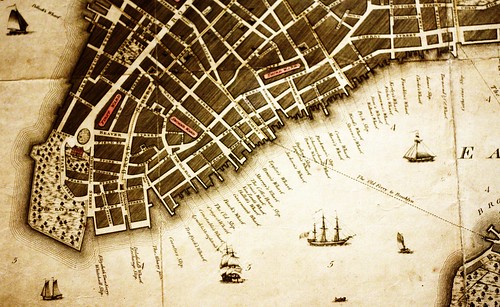
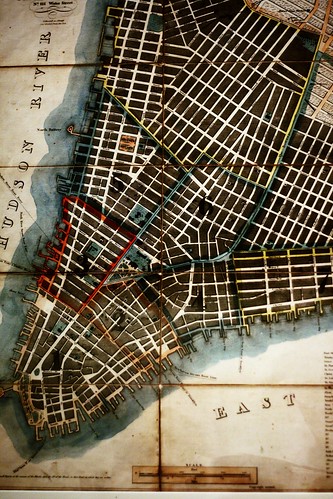
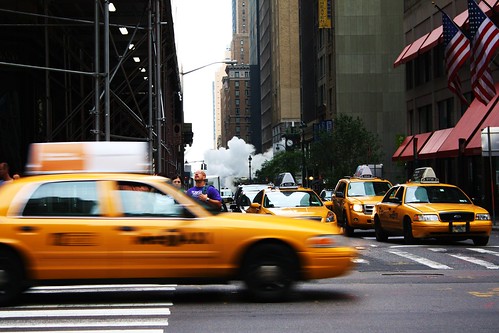
There now is your insular city of the Manhattoes, belted round by wharves as Indian isles by coral reefs — commerce surrounds it with her surf. Right and left, the streets take you waterward. Its extreme down-town is the battery, where that noble mole is washed by waves, and cooled by breezes, which a few hours previous were out of sight of land. Look at the crowds of water-gazers there.Circumambulate the city of a dreamy Sabbath afternoon. Go from Corlears Hook to Coenties Slip, and from thence, by Whitehall northward. What do you see? — Posted like silent sentinels all around the town, stand thousands upon thousands of mortal men fixed in ocean reveries. Some leaning against the spiles; some seated upon the pier-heads; some looking over the bulwarks of ships from China; some high aloft in the rigging, as if striving to get a still better seaward peep. But these are all landsmen; of week days pent up in lath and plaster — tied to counters, nailed to benches, clinched to desks. How then is this? Are the green fields gone? What do they here?— Herman Melville, Moby-Dick
*
AFTER
So I read to myself
A chance of a lifetime to see new horizons
On the front page
A black and white picture of
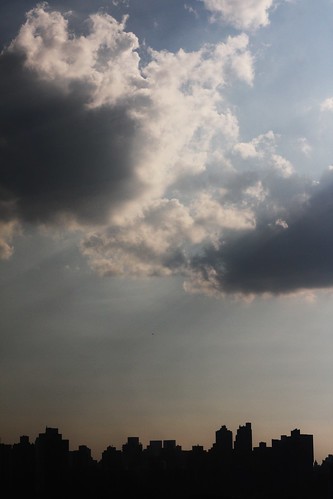
Manhattan Skyline
Labels: a-ha, herman melville, manhattan, maps, moby-dick, new york city, photographs